Night notes
Disposable underpads size guide: which size fits your bed?
Disposable underpads come in five common sizes, and the right one depends on the surface, the person and how much they move at night. Too small and leakage reaches the sheet; too big and the pad folds and bunches.

The five sizes
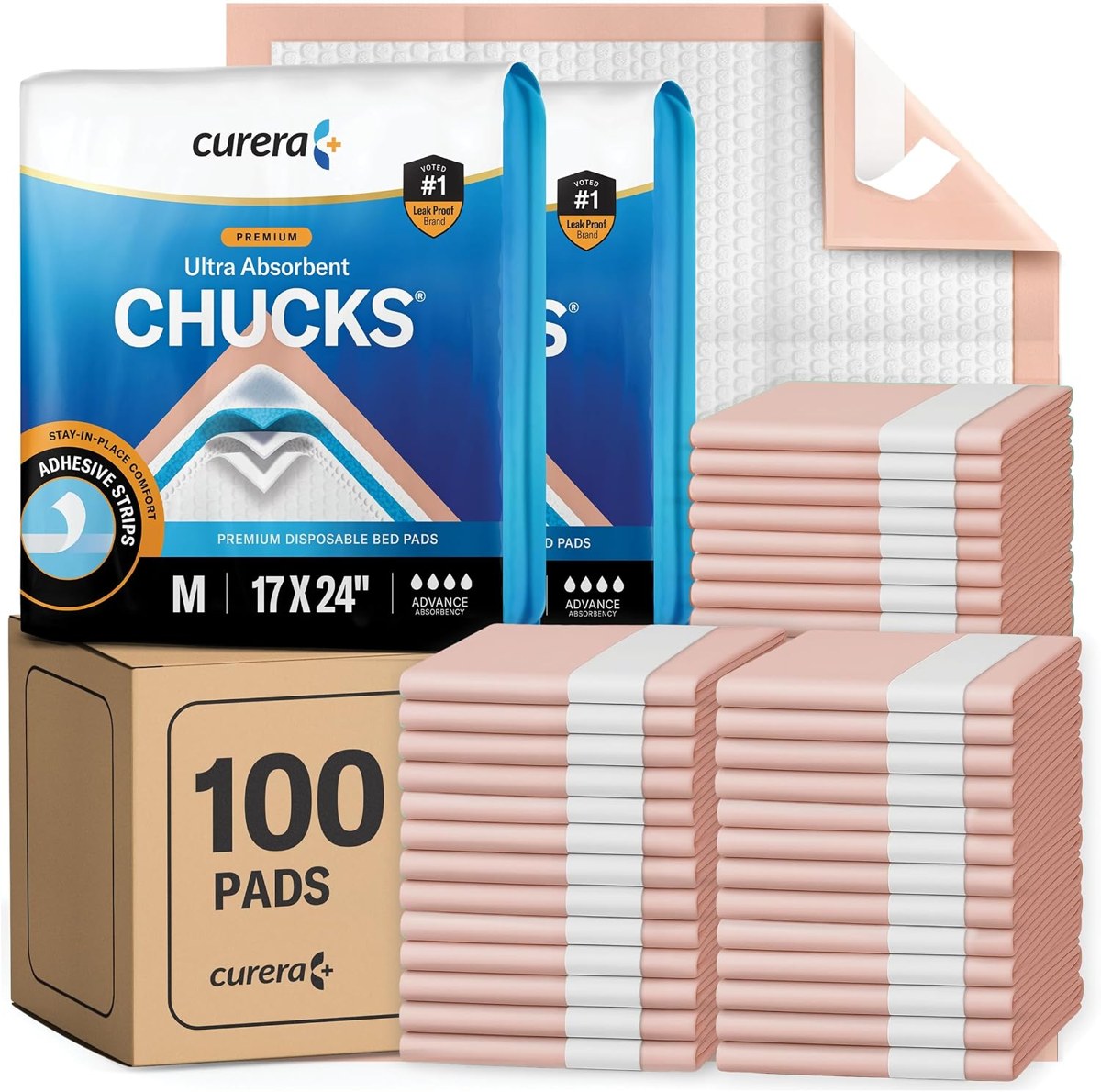
- 17 x 24 inches: seats, wheelchairs, changing tables, car seats and travel
- 23 x 36 inches: the classic hospital chux for single beds, recliners and exam tables
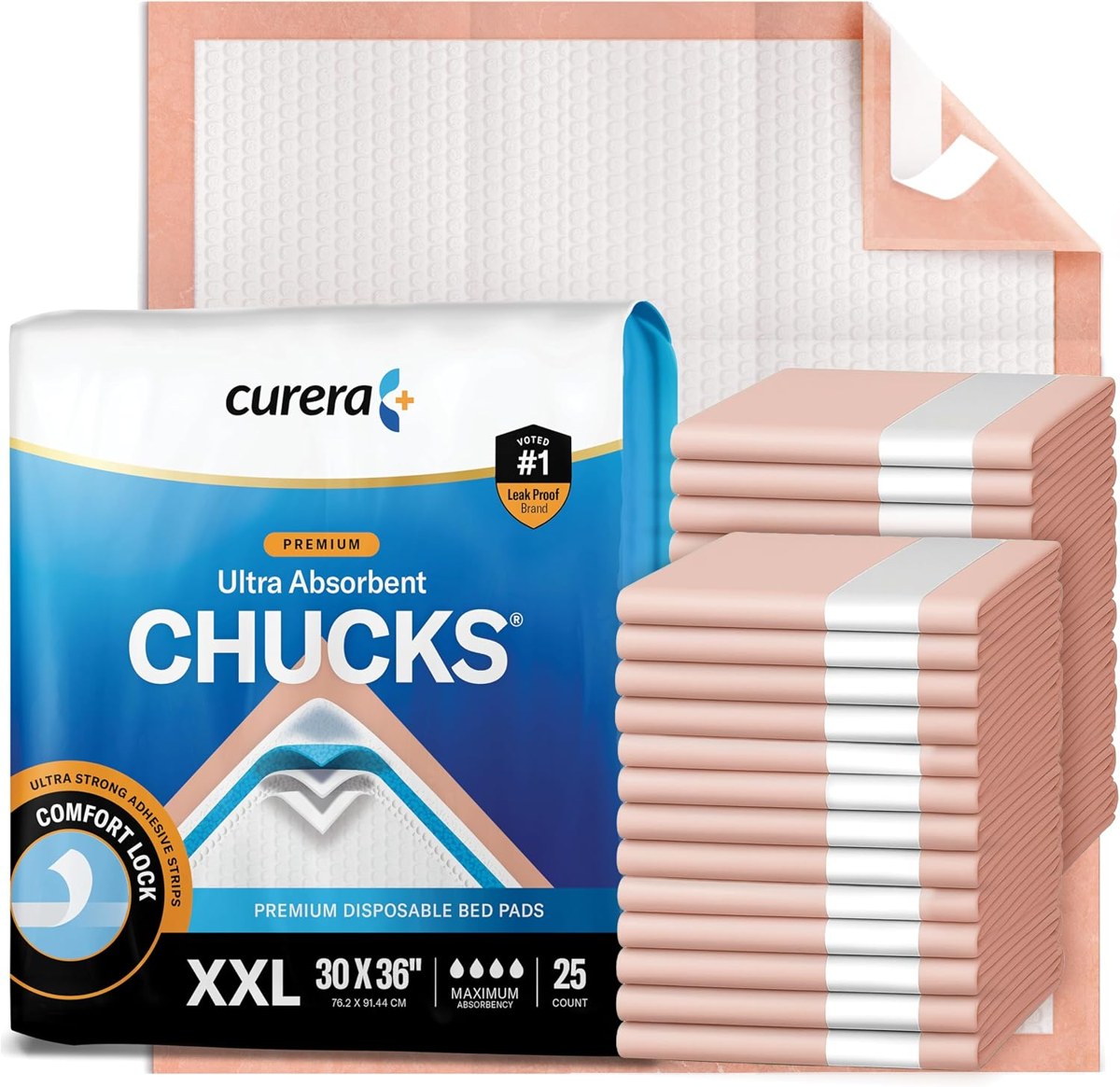
- 30 x 36 inches (XXL): twin and hospital beds, covering hips and torso
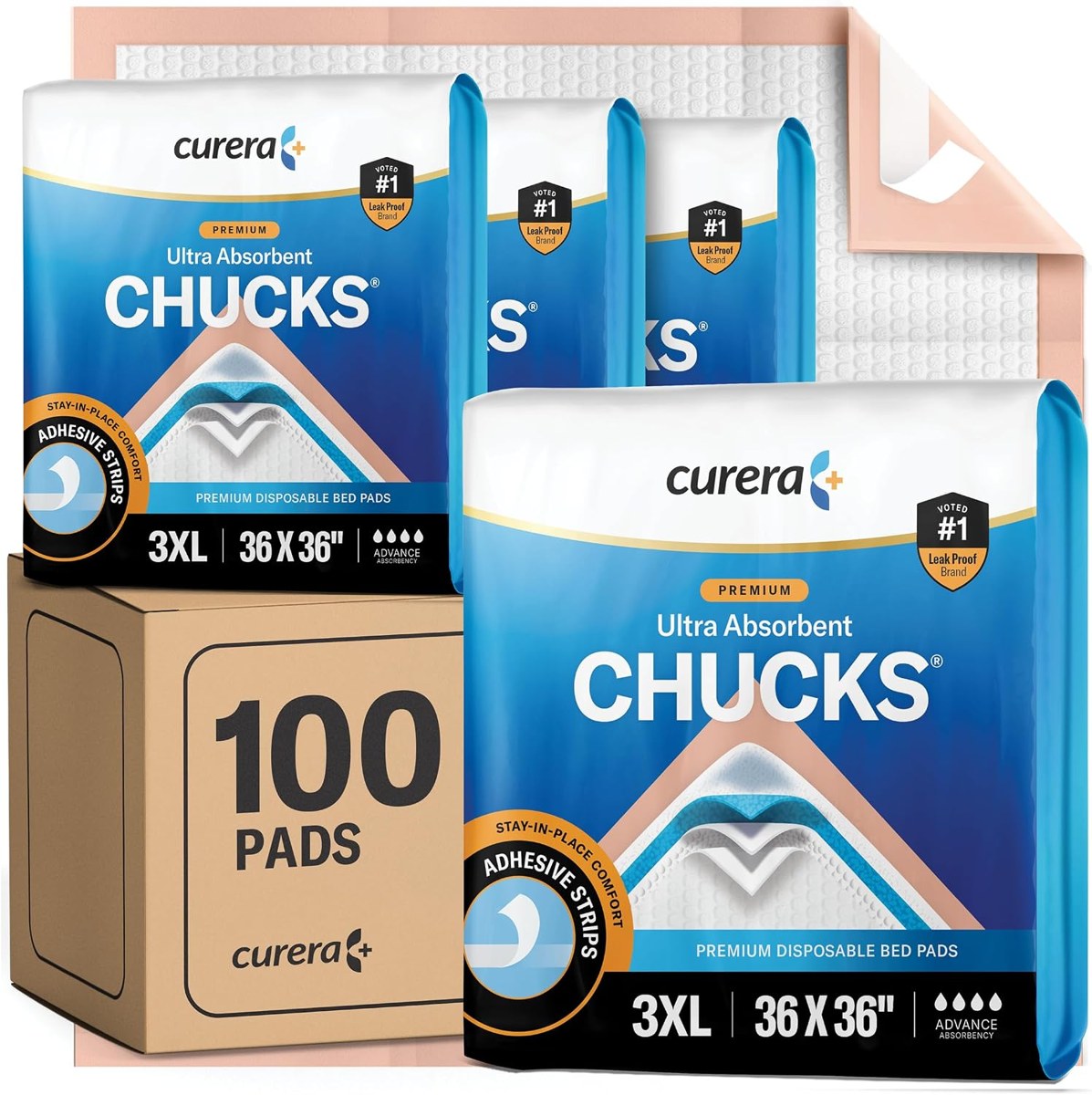
- 36 x 36 inches (XXXL): most of a twin mattress width, for side and restless sleepers
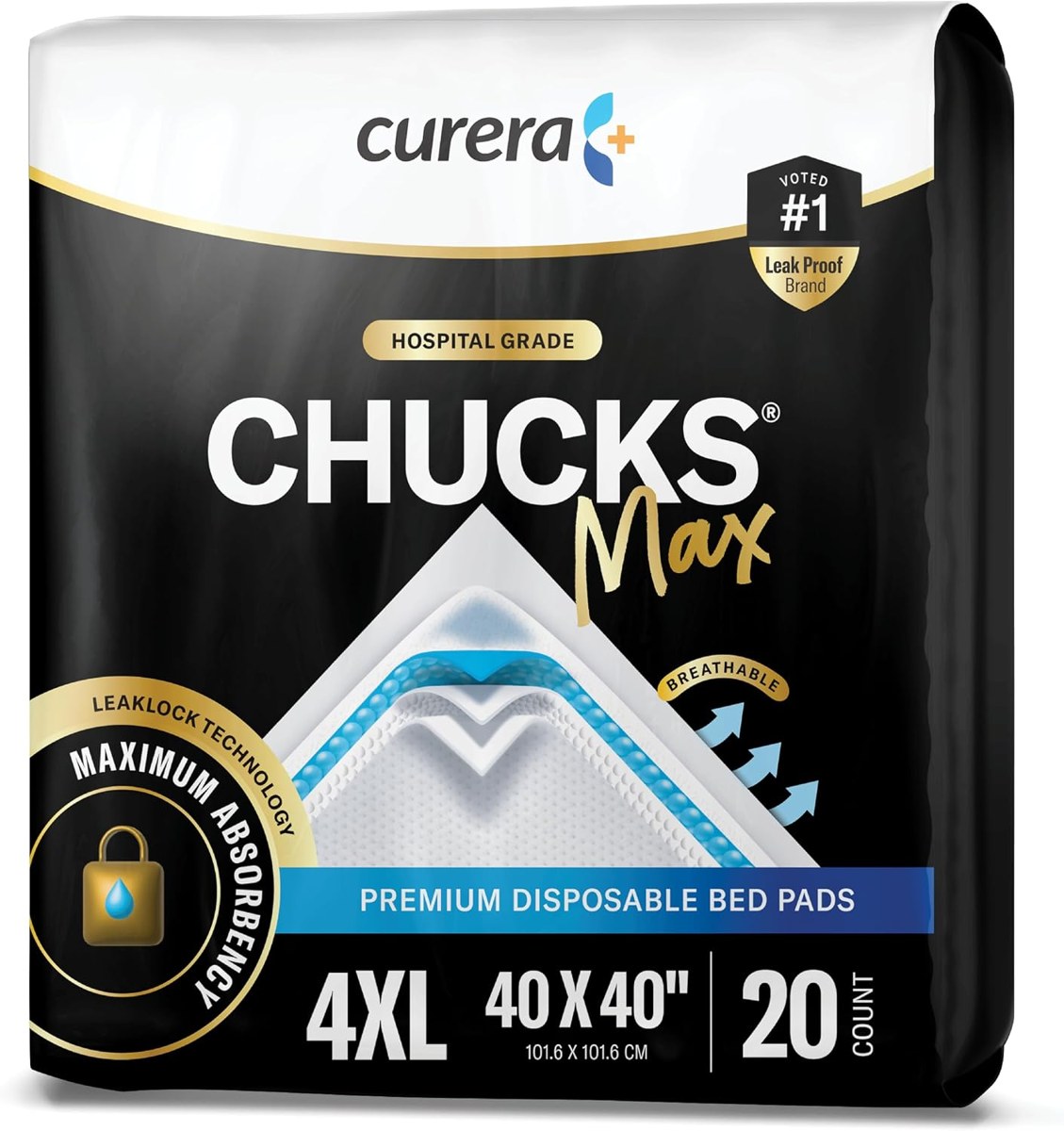
- 40 x 40 inches (4XL): past both edges of a twin and wide on a full bed
Measure the zone, not the bed
You do not need to cover the whole mattress. Measure the area from the lower back to mid-thigh of the sleeper, then add room for how they move. Someone who sleeps on their back and barely moves is covered by a 30x36. A side sleeper who turns several times a night needs the 36x36 or 40x40 so they roll onto pad, not sheet.
Chairs and wheelchairs
On a seat, the pad should cover the cushion and reach slightly over the front edge. A 17x24 suits most dining chairs and wheelchairs; a 23x36 suits recliners and larger armchairs. Pads with adhesive strips, like Chucks Premium, hold better on leather and vinyl.
Size and absorbency go together
A bigger pad spreads liquid over more core, so moving up a size often fixes edge leaks. If the pad leaks through the middle, the fix is more absorbency: step from Chucks Premium to Chucks MAX, which holds up to 10x a standard pad.
Pack size: the economical choice
Once you have tried a size and it works, the economical choice is the bigger pack. Curera sells its disposable underpads in 25-packs and 100-count cases; the case keeps the same absorbent polymer core, fluff layer and strong waterproof backing, only the price per pad drops. Keep a small pack for travel and the case at home for daily care, and you always have additional protection and coverage on hand.