Night notes
Disposable vs washable bed pads for incontinence
Both kinds of bed pad protect the mattress. The difference is what happens after an accident: a disposable pad is folded and thrown away, a washable pad goes in the laundry. Here is how to choose.

Disposable bed pads
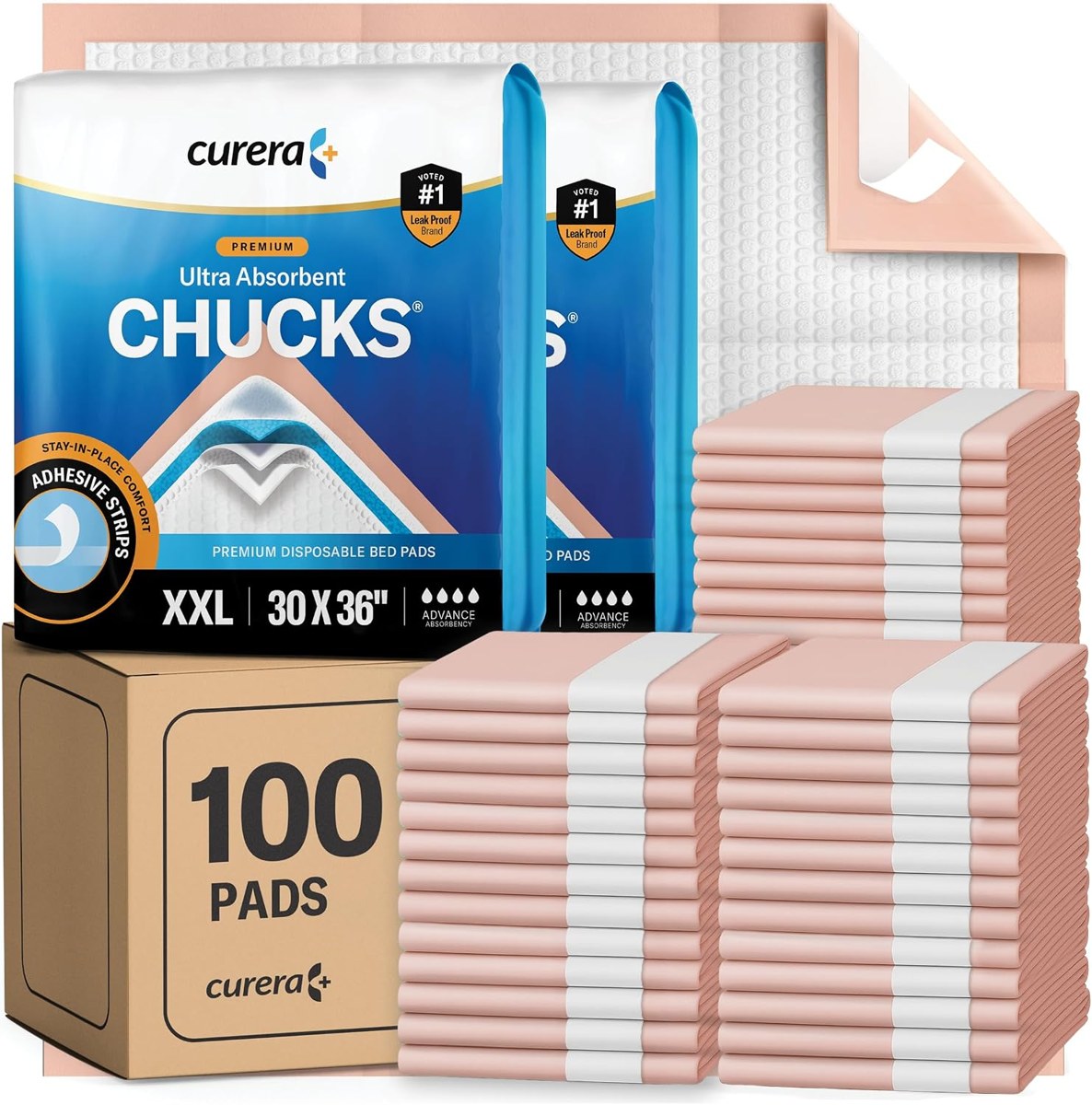
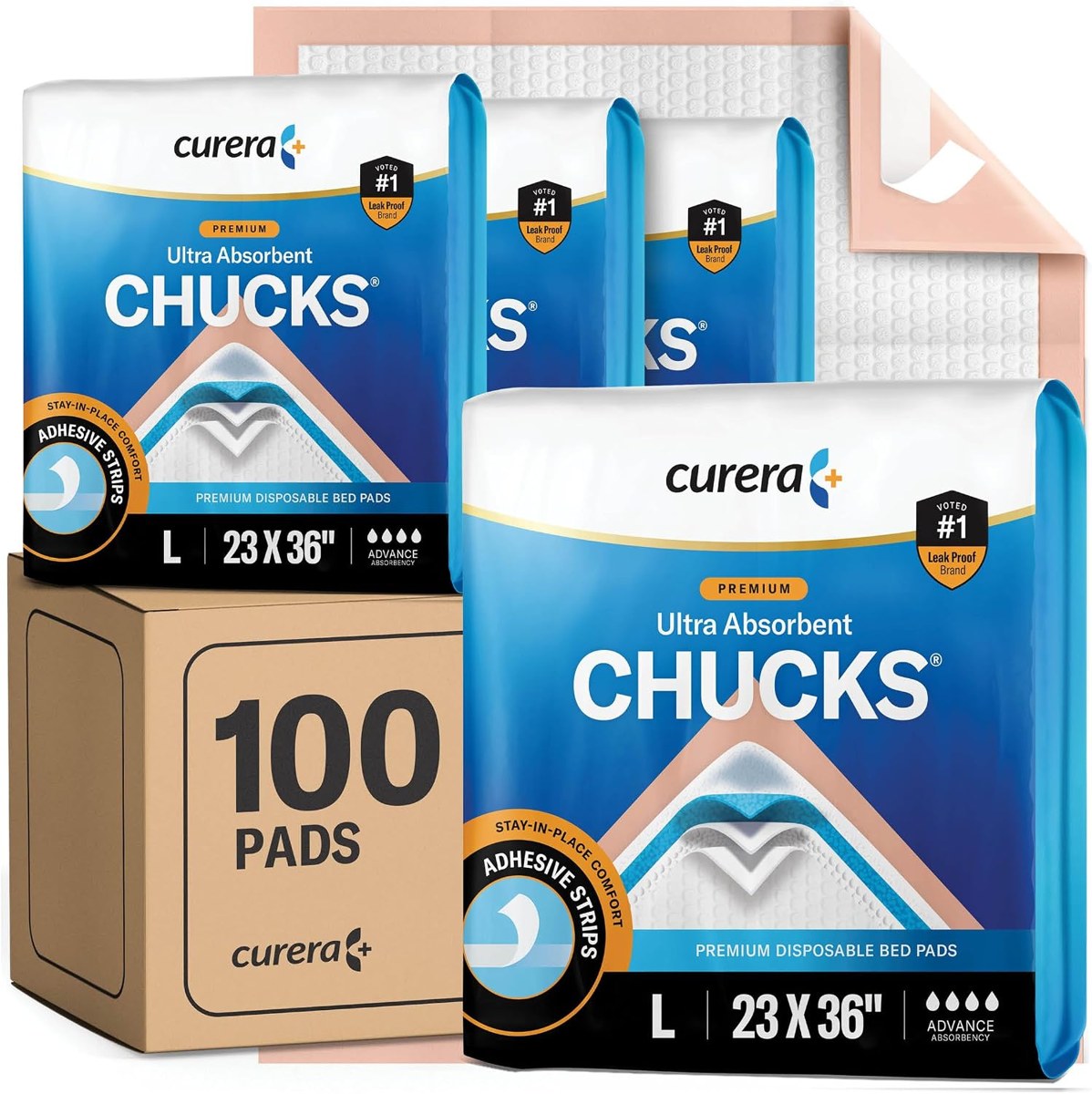
Disposable underpads are thin, light and absorbent, with a polymer core that locks liquid away. Their strengths are hygiene and speed: a night change takes a minute and nothing goes in the washer. They suit heavy or frequent incontinence, post-surgery recovery, hospice care, and anyone with limited time or no easy laundry.
Washable, reusable bed pads
Reusable pads are quilted fabric with a waterproof layer. They cost more up front, last many washes and create less trash. They need laundering after every accident, take time to dry and lose absorbency as they age. They suit light incontinence and homes with a washer close by.
Comfort and skin
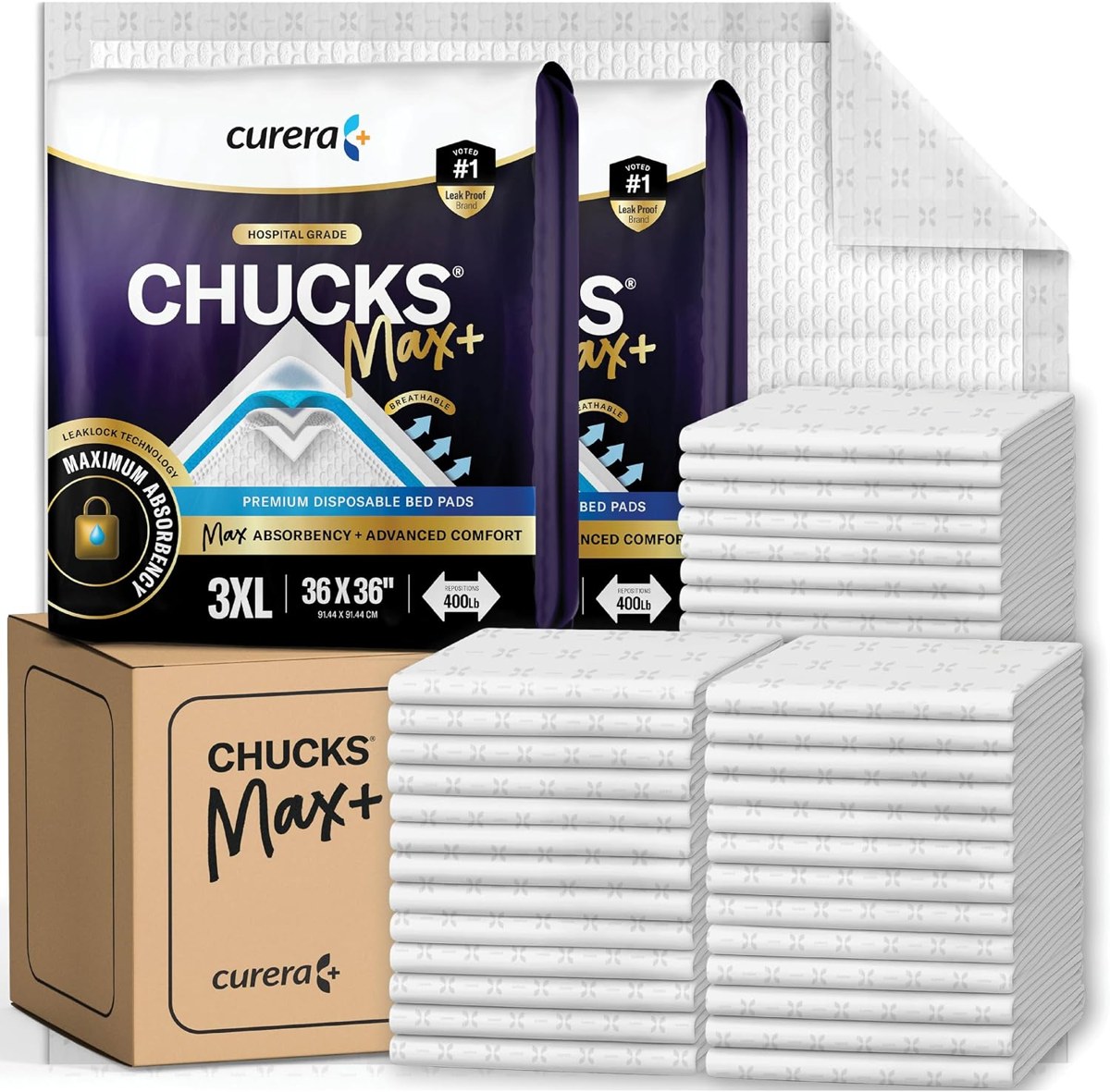
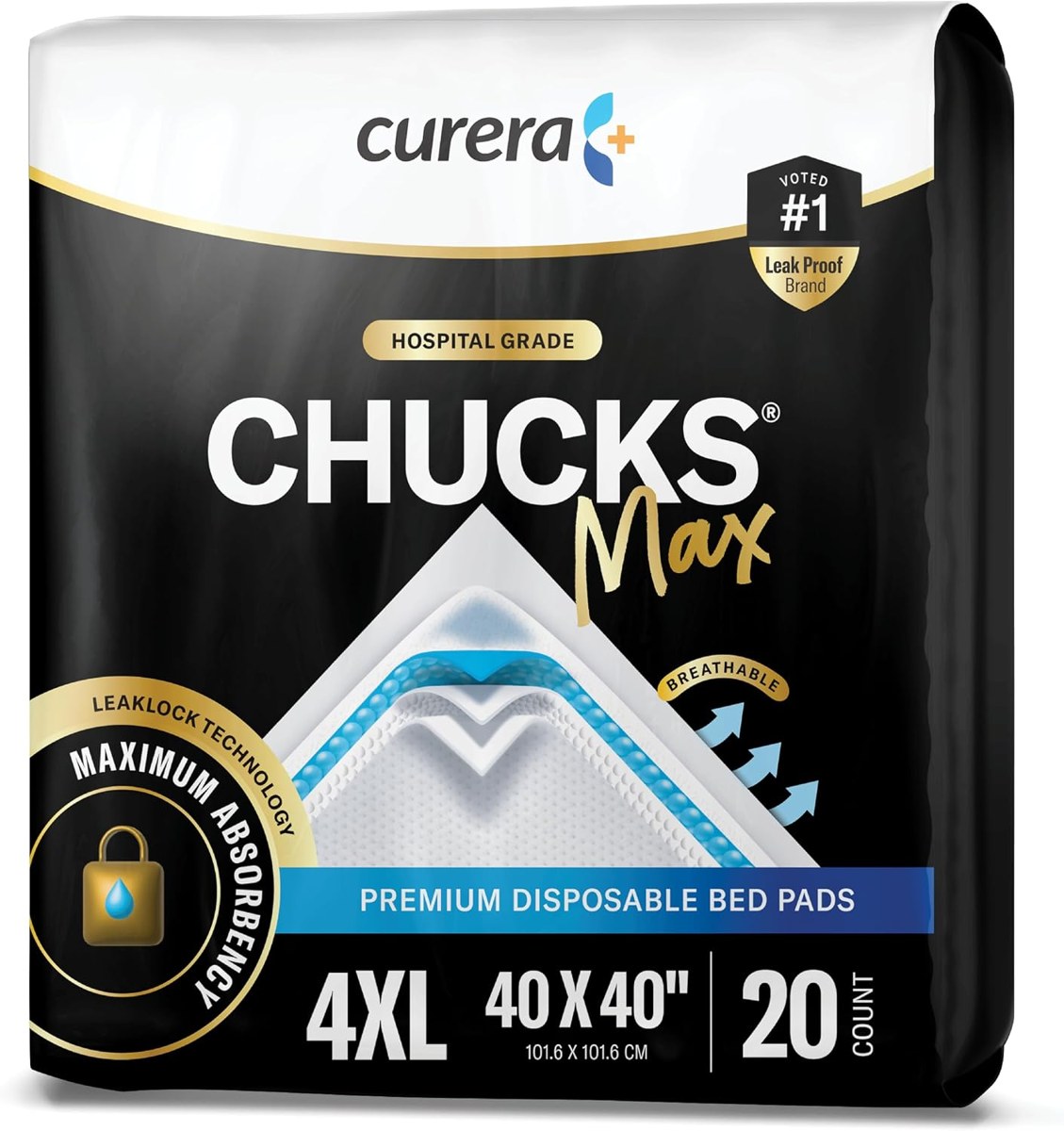
Skin health depends on how quickly the surface dries. A disposable pad with a polymer core feels dry within seconds; a washable pad stays damp until changed. For fragile or sensitive skin, a soft-topped disposable pad such as Chucks MAX+ keeps moisture away from the body.
What to look for in incontinence bed pads
- Sizes large enough for the sleeper: 30x36 or bigger for adults who move overnight
- A secure fit: adhesive strips or a size you can tuck in, so the pad cannot drift
- A waterproof backing that stops stains reaching the mattress
- A soft, breathable top designed to help the skin stay dry
- Discreet packaging and a pack size you can manage and store
Bed pads work alongside adult diapers or incontinence underwear rather than replacing them. A premium disposable pad gives loved ones an extra layer that lasts longer than one leak, travels well and helps prevent a full bed change.
The combination most caregivers use
A washable mattress protector stays on the bed under the fitted sheet as a permanent layer. A disposable underpad sits on top of the sheet where the hips go. A wet night means one pad in the trash, the sheet usually stays clean, and the protector catches anything that gets past both.