Night notes
Bedwetting pads for kids: a calm-night guide
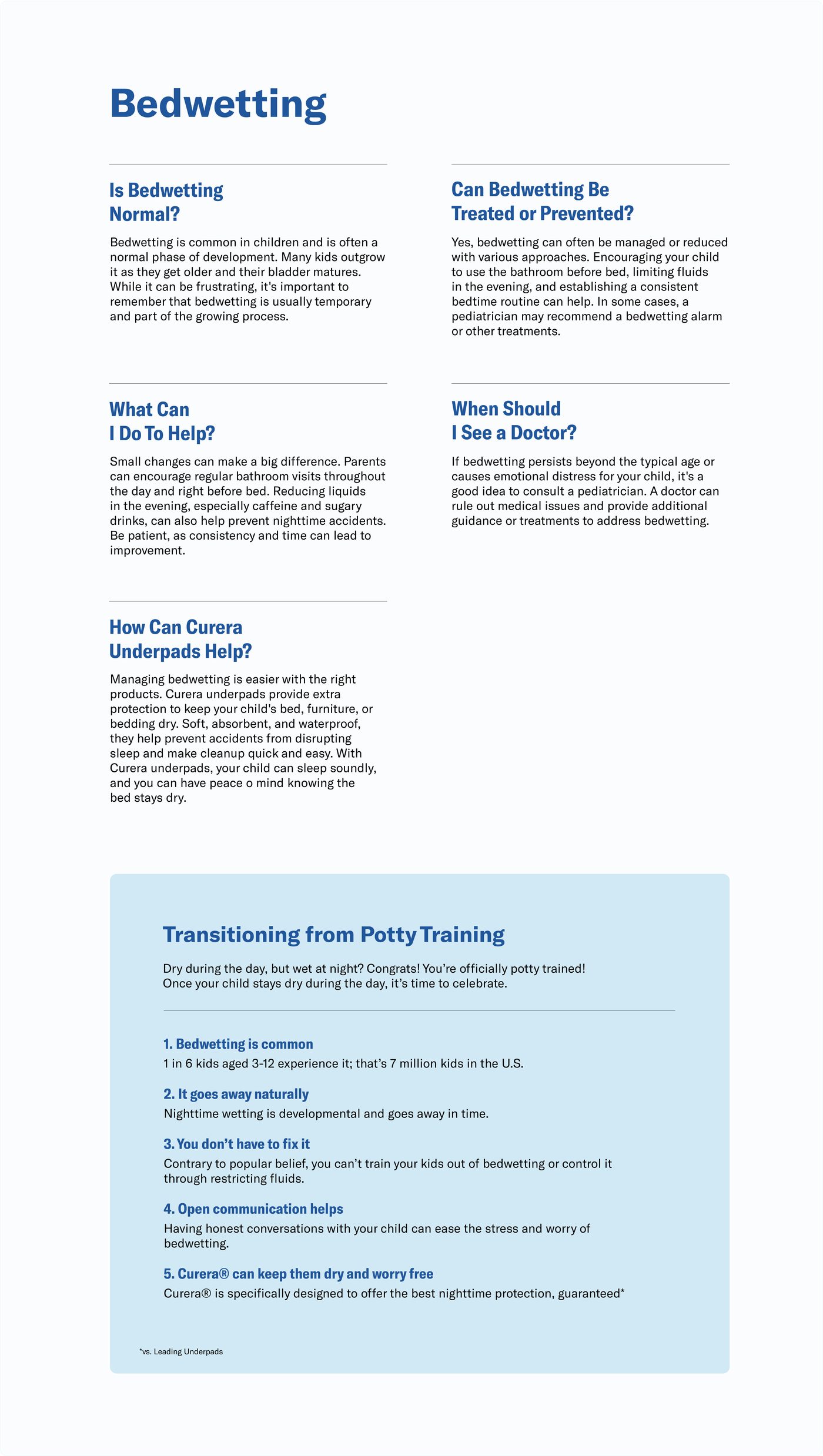
Bedwetting is common through the early school years and often beyond, and it is not a behavior problem. A disposable bed mat will not stop it, but it can take the stress out of the night for the child and the parent.

How disposable bed mats work
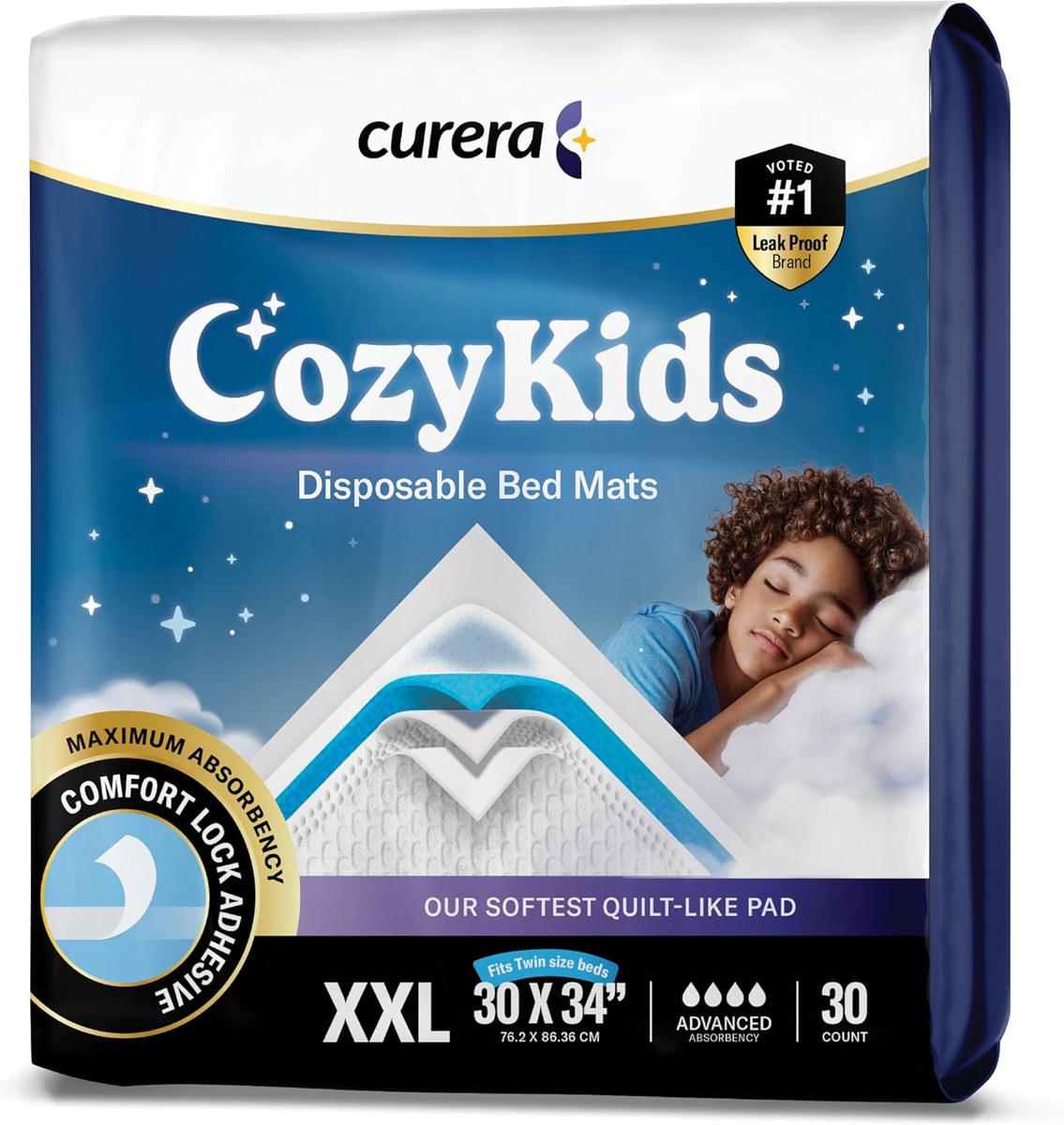
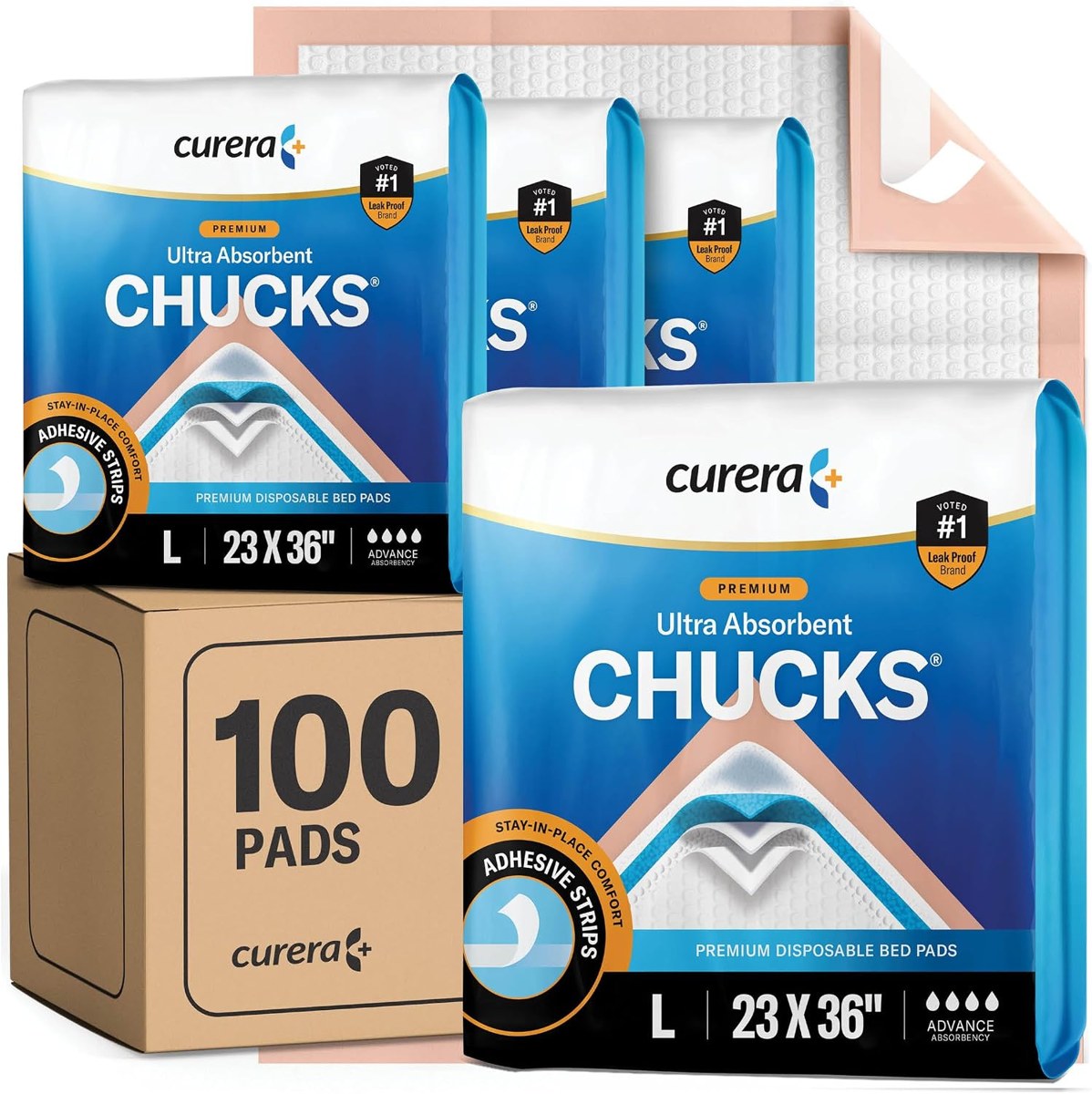
A bed mat is a large underpad made for a child's bed. It lies on top of the fitted sheet, the child sleeps on its soft surface, and an accident soaks into the absorbent core instead of the sheet and mattress. In the morning the mat is folded and thrown away. CozyKids mats are 30 x 34 inches, use Quick-Dry technology that dries the surface in about 30 seconds and have four adhesive strips so the mat stays under the child.
Where to place the mat
Put the mat where the child's hips will be after they have settled, which is usually lower than you expect: children slide toward the foot of the bed during the night. Press each adhesive strip onto the sheet.
Why parents choose bed wetting mats
Wetting mats protect your sheets and give total protection for the whole night of sleep, so the child can rest and you can too. They help prevent leaks reaching the mattress, save laundry and add up to real savings over months of wet nights. Many parents use them alongside overnight diapers or training pants during potty training, then keep using them after the diapers stop, as a quiet backup while the child learns to stay dry.
Sleepovers and travel
A folded mat fits in an overnight bag and goes under the sheet of a friend's bed or a hotel bed without anyone noticing. The odor-locking core helps keep a wet night private.
Keeping it positive
- Treat accidents as normal and avoid blame
- Let the child help put the mat on the bed, so it feels like their gear
- Limit drinks in the hour before bed and visit the bathroom last thing
- Talk to your pediatrician if bedwetting starts suddenly after a dry period or comes with pain
This guide is general information, not medical advice.